Painting
How to Prepare Your Home for Interior Painting in the UAE
A practical guide to preparing walls, ceilings and rooms before an interior repaint in a UAE apartment or villa, including crack repair, priming stains, paint finishes and how to choose a painting contractor.
By Hadi Electrical & Home Maintenance 6 min read
Quick answer
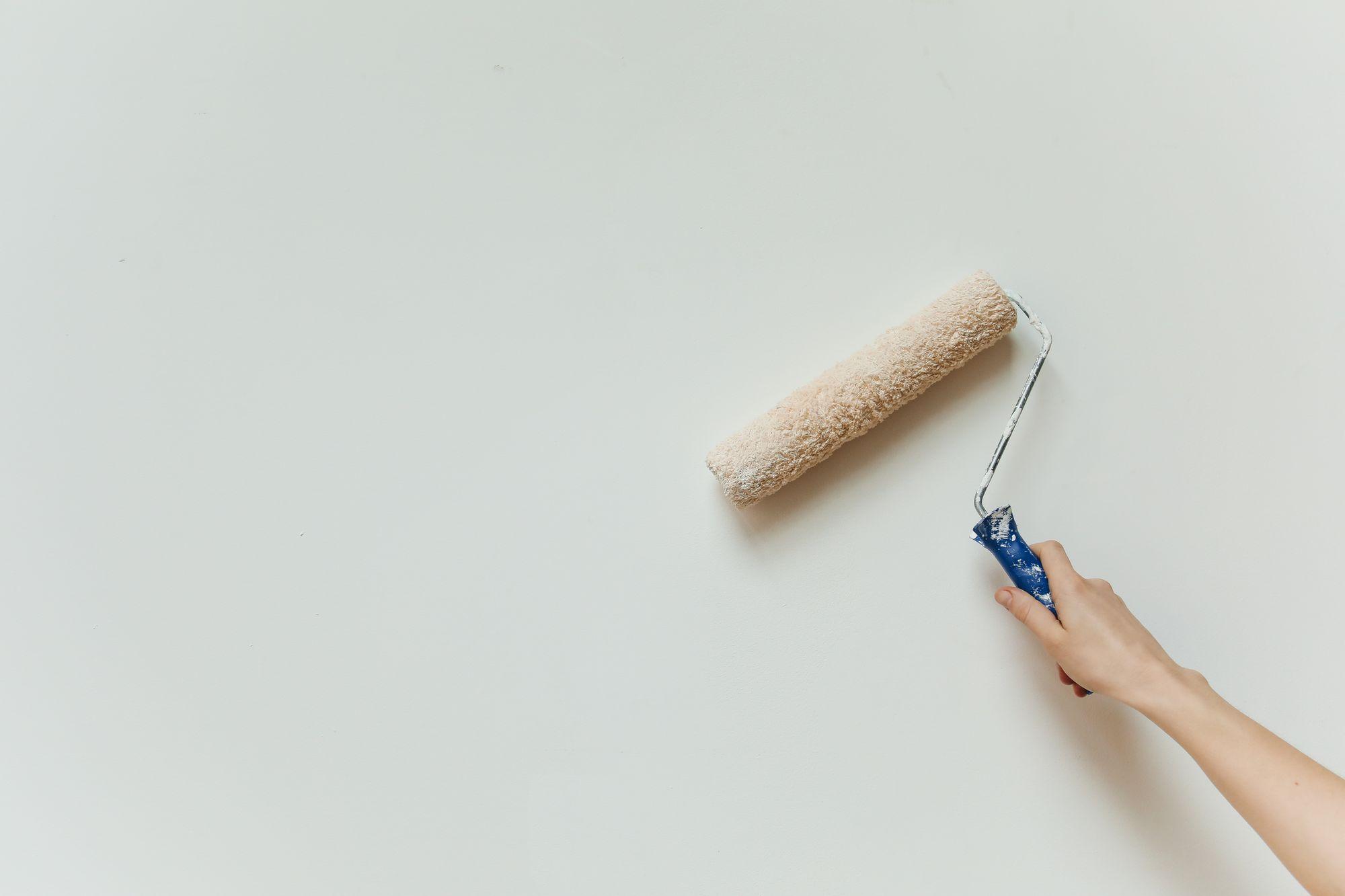
Good preparation, not the paint brand, is what makes an interior repaint last. Before painting, walls and ceilings should have cracks filled and sanded, dust and grease removed, stains treated with a stain-blocking primer, and furniture and floors fully covered. Skipping preparation is the main reason a fresh coat of paint starts peeling, bubbling or showing patches within months, especially in the UAE's heat and humidity.
Why preparation matters more than the paint
Two homes can use the exact same paint and get very different results. The difference is almost always preparation: a wall that was cleaned, filled, sanded and primed properly will hold its finish for years, while paint rolled straight over dust, grease or an old crack will show every flaw within weeks and can start peeling much sooner.
In the UAE's climate, this matters even more. Heat, direct sun on exterior walls and humidity from bathrooms and kitchens all put extra stress on a paint film, so shortcuts in preparation tend to show up faster here than in cooler climates.
Before the painter arrives
- Clear small items, wall art and curtains from the room, or tell us if you would like us to move and protect them.
- Point out any cracks, damp patches, water stains or areas that have been patched before.
- Note any colour you want kept exactly the same, such as a feature wall, so the right shade is matched.
- Make sure sockets and switches on the walls being painted are accessible (we isolate and mask them, not remove them).
What proper preparation includes
- Filling cracks, holes and dents, then sanding them flush once dry.
- Washing down greasy areas, such as kitchen walls, before any paint goes on.
- Treating water stains and damp marks with a stain-blocking primer so they do not bleed through the new coat.
- Masking skirting, frames, switches and sockets, and covering floors and furniture with sheets.
- Applying a suitable primer on bare, patched or previously dark-coloured walls before the topcoat.
Choosing a finish for each room
- Matte or flat: living rooms and bedrooms, hides minor wall imperfections well.
- Eggshell or satin: hallways and family areas that get touched and cleaned more often.
- Semi-gloss or gloss: kitchens, bathrooms and skirting, where moisture and marks need a wipeable surface.
- Exterior masonry paint: villa facades and boundary walls, formulated to handle sun and weather.
Signs a wall needs more than a fresh coat
Peeling or bubbling paint, a musty smell, or a stain that keeps returning after it has been painted over usually points to moisture getting into the wall rather than a painting problem on its own. In these cases, the source of the moisture needs to be found and fixed first, otherwise the new paint will fail in the same spot again.
Where we handle interior and exterior painting
We paint apartments, villas and offices across Dubai and the other emirates, including move-in and move-out repaints for tenants and landlords. Every job includes proper crack repair, priming and masking as standard, not as an extra. If you are not sure whether a wall just needs painting or has an underlying issue, send us a photo and we will tell you honestly.
Frequently asked questions
How long should a professional interior repaint last?
With proper preparation and a quality finish, interior paint in a normal living space typically looks good for several years. High-moisture areas like bathrooms and kitchens may need attention sooner, which is why a wipeable finish is recommended there.
Do I need to prime a wall that is already painted?
Not always. A sound, lightly coloured wall in good condition often only needs light sanding and cleaning. Priming becomes necessary over patched areas, stains, bare plaster or when changing from a dark colour to a much lighter one.
Can painting start the same day as a repair, such as a patched crack or a gypsum ceiling fix?
The filler or patch needs to dry fully first, usually at least a day depending on the size of the repair and humidity, before it is sanded and primed. Painting over a patch that is still damp is a common cause of the repair showing through later.
This article is general guidance. For anything involving electrical work, isolate the circuit and contact a qualified electrician. In an emergency, call the UAE Civil Defence on 997.