Loading…
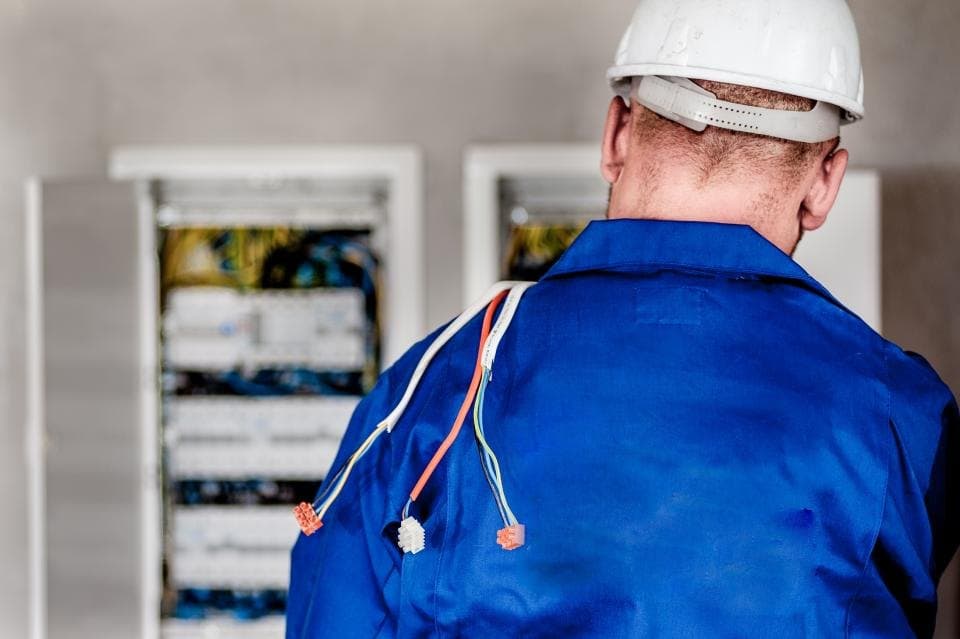
Electrical services in Dubai
Electrical Installation and Repairs
Fault finding, socket and switch repairs, light fittings, distribution board checks and new electrical points for homes and workplaces.
Overview
Electrical services in Dubai: what to expect.
Most electrical problems start small: a socket that feels warm, a light that flickers, a breaker that trips every evening when the kettle and the AC run together. Left alone, these small signs can turn into damaged appliances, burnt fittings or a property without power.
We look for the cause, not just the symptom. That means testing the circuit, checking connections at the fitting and at the distribution board, and explaining what we found in plain language before any work goes ahead.
Whether you live in an apartment, a villa or manage a small office, the goal is the same: electrical work that is done neatly, safely and properly finished, with your property left clean.
What the work may involve
- Finding the cause of tripping breakers and power cuts on a circuit
- Repairing or replacing damaged sockets, switches and isolators
- Installing new light fittings, pendant lights, spotlights and LED panels
- Adding or relocating sockets and switches where the existing wiring allows
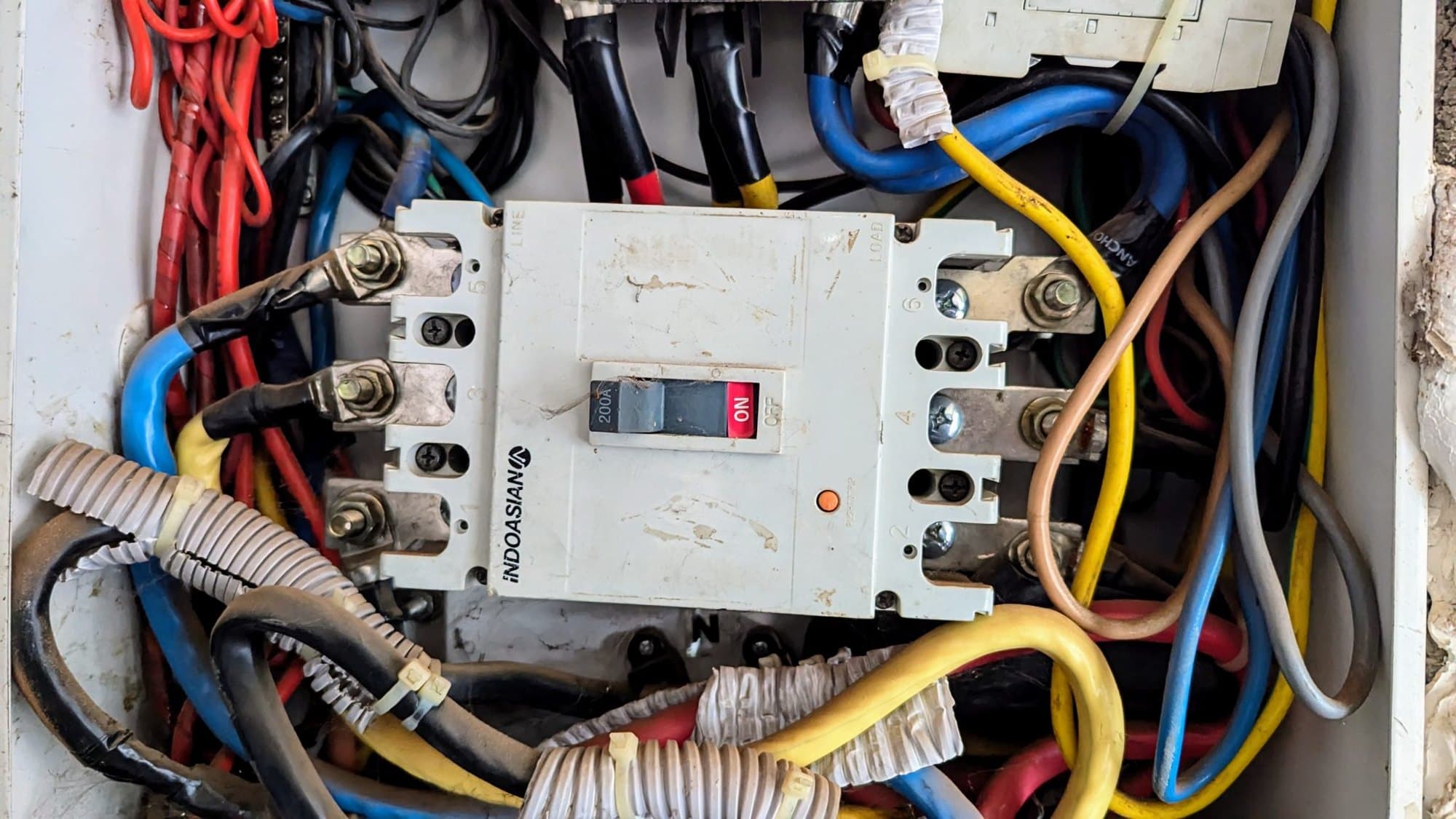
- Checking and tidying distribution boards and labelling circuits
- Fitting extractor fans, water heater isolators and appliance connections
- Diagnosing flickering lights, buzzing switches and warm sockets
Common problems
Problems we are often asked about, and practical solutions.
A breaker keeps tripping
This usually points to an overloaded circuit, a faulty appliance or moisture getting into a fitting. Resetting it again and again hides the problem. The circuit needs testing to find out which one it is.
Lights flicker or dim
Loose connections, an incompatible dimmer or a failing LED driver are common causes. A loose connection can heat up over time, so it is worth having it checked rather than just changing the bulb.
Socket is warm, discoloured or sparks
Stop using it and switch the circuit off if you can. Scorch marks and heat are signs of a poor connection or overloading, and the socket and the cable behind it should be inspected.
No power in one part of the home
It could be a tripped breaker, an RCD that has operated or a fault on that circuit. We trace the circuit from the board to the affected points to find where power is being lost.
How we work
Our approach to electrical work.
Electrical faults are easy to cover up and hard to see once the faceplate is back on. Careful work at the connection (correct cable sizes, tight terminals, proper protection on the circuit) is what keeps a home safe long after the job is finished. It is also why we prefer to explain the work rather than just get it done quickly.
- 01
We ask what you have noticed, when it happens and what was running at the time. This often narrows the fault down quickly.
- 02
The circuit is isolated before work starts, and fittings are tested rather than assumed to be safe.
- 03
You are told what the problem is, what we recommend and what it involves before we continue.
- 04
Covers are refitted properly, cables are tidied and the area is cleaned before we leave.
Why does my breaker trip when the AC and kettle are on together?
Usually the circuit is carrying more load than it was designed for, or one appliance has developed a fault. We test the circuit and the appliances on it, then advise whether the load needs spreading across circuits or a faulty item needs repair.
Can you add a new socket in my apartment?
In many cases, yes. It depends on the existing wiring, the wall construction and any building rules. We look at the location first and tell you what is practical before giving a quote. For some buildings, approval from the building management may be needed.
Do you install light fittings I have bought myself?
Yes. Send us a photo or the product details beforehand so we can check the fitting, the ceiling type and what fixing is needed.
What should I do if a socket is sparking?
Stop using it, unplug anything connected if it is safe to do so, and switch off that circuit at the distribution board. Then contact an electrician to inspect the socket and the cable behind it.
Get in touch
Have Something That Needs Fixing? Let’s Get It Sorted.
Tell us what is going on. A short description and a few photos are enough to start. We will talk it through with you and explain the next step clearly.